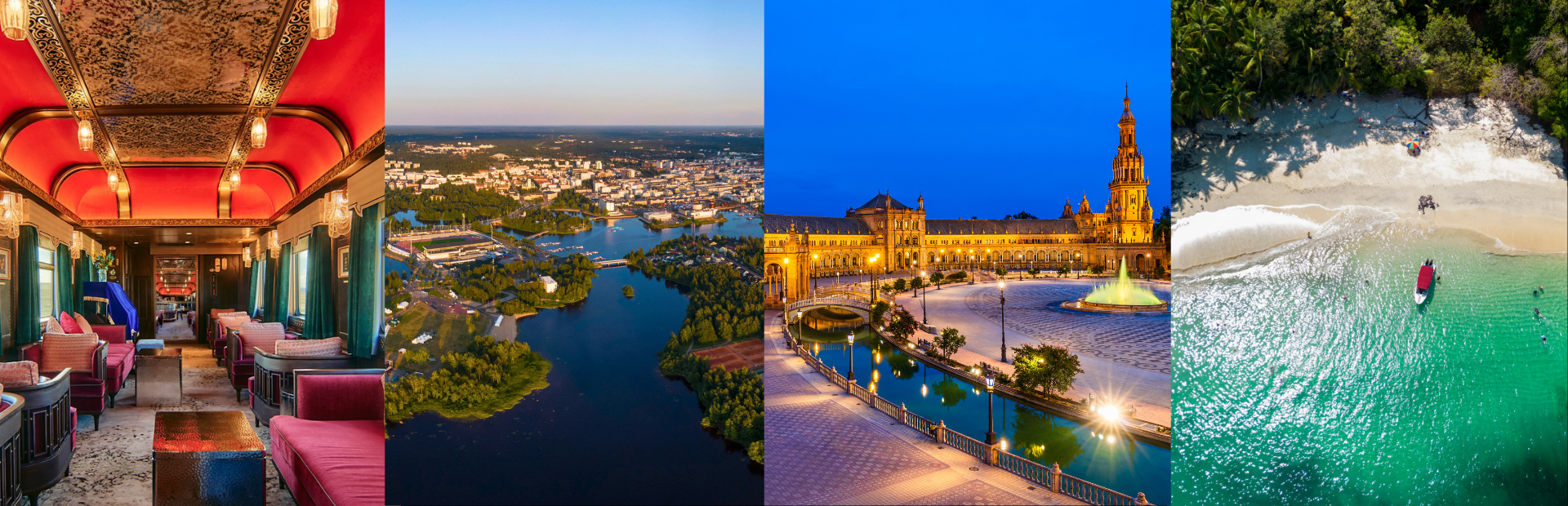
The era of the trophy destination dominating corporate reward travel is over. “Bucket list” destinations like Hawaii, the Maldives and Italy still hold their place and they likely always will. But for 2027 and beyond, corporate incentive trips are being built around something different. The most impactful reward programmes are prioritising exploration, storytelling and a genuine sense of earned experience.
We’ve seen this shift evolving over the past couple of years and now, it’s really gaining momentum. The 2025 Incentive Travel Index, produced by The Incentive Research Foundation (IRF) and the Society for Incentive Travel Excellence (SITE), revealed nearly 70% of incentive travel buyers are seeking destinations they’ve never used before. While 63% already have a new destination booked for 2026 or 2027, highlighting a fundamental change in what motivates organisers striving to revitalise their reward and recognition briefs.
For corporate event planners designing trips 12 to 18 months out, the key question is influencing buying decisions is: “What does this destination allow us to do that nowhere else can?” The best 2027 incentive programmes will deliver on exclusivity, accessibility and discovery, curating a genuinely story-led experience.
Why 2027 is a turning point for incentive travel.
Today’s incentive travellers are more sophisticated and savvy than ever. They travel more frequently; comparing experiences more critically and are increasingly underwhelmed by destinations that feel predictable. The ‘where everyone goes’ approach is losing its motivational power and the data backs that up.
At the same time, the operational environment has become even more complex to navigate. Rising costs, geopolitical caution and a tightening focus on ROI mean that planners need destinations and formats that work harder on multiple levels. Lead times for emerging city venue buyouts and niche luxury experiences are shortening. If you’re planning a high-impact 2027 programme, now is the time to start.
The upside? Incentive travel remains one of the most valued assets in the corporate rewards toolkit. 75% of professionals surveyed in the 2025 Incentive Travel Index confirm its strategic value remains as strong as ever. The opportunity is rife for businesses reimagining programmes in 2027 based on incentive travel trends and the benefits of getting this right are significant.
The rise of secondary cities in incentive planning.
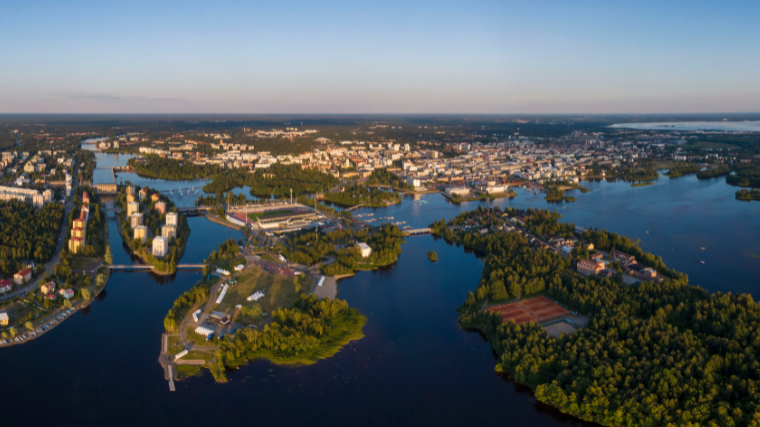
One of the most prevalent shifts we’re seeing in incentive travel now is the move away from overcrowded tourist traps, giving way to a rising demand for secondary cities. Planners seek places offering cultural weight, a robust hospitality infrastructure and crucially, a sense of first-time discovery in a new corner of the world that can’t be manufactured.
This mirrors consumer travel preferences seen in recent years. According to Expedia’s Unpack ’25 report 63% of people said they’re more likely to choose a ‘detour destination’ over a major capital on their next trip. For incentive planners, that instinct translates directly: lesser known doesn’t mean lesser quality. Contrarily, it often means better access, stronger buyout potential and greater scope for creating more memorable moments.