Where is your event budget really going? - asembl.group
Speak at Illuminate Conference

Cut the waste before you cut the experience. 


Sales wants more opportunities to connect. Marketing wants greater brand impact. Finance and procurement need the numbers to stack up. You’re managing the activation and everyone’s expectations. 

Trying to please everyone while staying within budget can add extra pressure, but managing this well is a crucial part of any successful delivery.  

In EventsAir’s global survey of more than 380 event professionals, 61.9% cited budget constraints as their top challenge. Source: State of Events 2026 

When costs creep over budget, the conversation turns to cuts… 

  • Reduce the footprint  
  • Simplify the build 
  • Look at lean staffing 
  • Lose an event day (or part of) 
  • Reduce the F&B spend 


Sometimes those decisions make sense. But before cutting costs, it’s worth examining them and looking at how you plan and deliver the activation. 

Remember the saying ‘waste not, want not’? Here’s an opportunity to make better use of what you have and leave more room for what you need. By plugging avoidable budget leaks, you leave more of your investment available for the experience. And after all, that’s the whole reason for investing in an event or activation in the first place. 

Here are five places to start. 


1. Late decisions almost always cost more.


Securing flights, venues and suppliers early can mean better rates and more choice. As availability tightens, suitable options become harder to find within budget.  

Check cancellation terms before committing so you understand your options and can have flexibility if plans change.  (And we know from experience that they often do!) 

Then come the delayed approvals and last-minute additions. A design sign-off deadline slips. Another stakeholder requests a change. The launch date stays fixed, but the delivery window shrinks. 

Standard production now needs overtime, rush fees or overnight freight. Previously approved work may need redoing.   

A small change to the brief can make a big difference to the budget. 

Agree on decision deadlines and final sign-off from the outset. Use regular team check-ins to track progress and resolve outstanding approvals. Give stakeholders a clear opportunity to raise changes early, with one person consolidating feedback to avoid conflicting instructions. 

Build time into your planning to allow for this so it doesn’t creep when you’re under pressure. 

When late additions arise, assess their full cost and timing implications before committing. Everyone should understand what the change adds and what it costs. 

2. Disconnected suppliers duplicate costs.


An activation may need several specialists. Costs creep in when their responsibilities overlap or their work fails to connect. 

Two teams budget for the same task. Suppliers use different versions of the brief. A design reaches production before anyone checks whether it can be built within budget. 

Your team then spends time repeating instructions, resolving conflicting advice and chasing updates. That work may never appear on a supplier invoice, but it still costs you. 

A joined-up approach starts with one shared brief, clear responsibilities and a coordinated view of the budget and its limitations from the very beginning. 

Review the supplier scope together. Identify overlaps, identify gaps, assign ownership and agree on who is accountable for all deliverables at an early stage. If you’re not quite sure yet?  Leave a sensible contingency.  This will protect your budget later on. 

3. Creative needs a clear job.


A striking installation will attract attention. Importantly, though, what that attention needs to achieve should shape the ‘big idea’. 

A consumer launch might prioritise product trial or purchase. A B2B activation might help buyers understand a complex offer or start qualified sales conversations. 

Without a clear objective, spending can drift towards the personal preferences of the stakeholders responsible for planning. Another screen or interaction gets added without a clear contribution to the outcome. 

Sometimes less is more. Competing messages and activities can overwhelm people and obscure the next step. Design the audience journey around what draws people in, holds their interest and prompts action.  The action you’ve defined is what you need before you start. 

One well-executed idea can have more impact than several competing for attention.  

Give creative ambition a clear brief. Assess each element against the objective so you can protect the ideas that earn their place. 

4. One outing limits the value.


Designing an activation for one use can miss opportunities to carry the investment across a roadshow, a wider campaign or next year’s programme. 

A modular build can adapt to different footprints. A creative concept can travel across locations. Keeping a recognisable design reinforces your brand presence as the setting changes. 

Plan for those uses before design and production begin. Will any assets be needed in future or is this a one off?  Retrofitting a single-use structure for a roadshow could cost more than designing for reuse from the start.  

Give the investment a long working life by answering these questions before you start. 

Share the wider campaign calendar early. Establish what can work again, what needs adapting and whether the total cost makes sense. 

Keeping everything isn’t automatically a recipe for good value. Assess storage and transport costs alongside refurbishment needs. Future relevance matters too: reuse should make sense on a case-by-case basis, and most organisations will have a preference on this that’s linked to their sustainability targets and how they operate. 

Content adds another layer of value. Photography, video and product demonstrations can support social activity and sales follow-up. Audience-generated content and stories can feed future campaigns, extending your brand’s presence beyond the event. 

Plan what to capture and how you’ll use it for this campaign, and in future, before going live.  It’s a savvy way to be smart with your spend. 
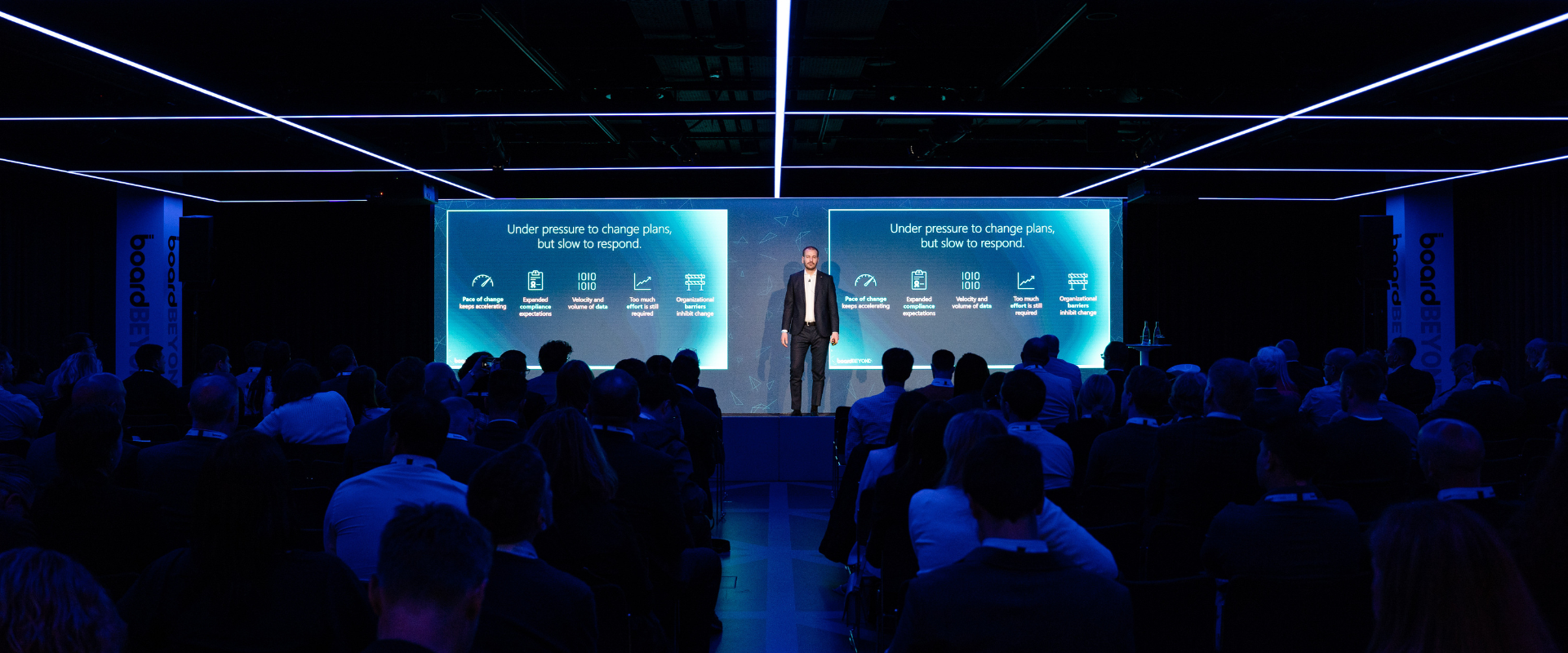
5. Learn before you spend again.


Last year’s budget is a useful reference. But, it shouldn’t become this year’s plan without review. 

Look at two things: what the investment delivered and how effectively you managed it. 

 First, assess the results. Review the return on investment alongside performance against the original objectives. Those might include sales, qualified leads or a change in brand perception or behaviour. Establish which elements justified their cost and which contributed less than expected. 

If evidence is missing, decide what needs measuring next time and if it’s worth the investment. 

Then examine delivery. Identify where late decisions or changes, repeated work or difficult handovers consumed time and money. Capture what ran smoothly too, drawing on feedback from your team and delivery partners.  Learnings from one project can provide huge efficiencies next time. 

Interrogate every budget line, including the familiar ones. 

Keep what worked and address what didn’t. Apply those lessons to the next brief and budget, then adjust the delivery process so the same avoidable costs don’t return. 

Make your budget work harder. 


A ‘Waste not, want not’ approach is sensible for a single activation, but also for future ones.  

Removing avoidable costs and being honest about what’s worked and what needs to work protects resources now and will help you make better spending decisions next time. 

At asembl.group, we bring independent specialists together around your brief, brand and budget. One contact, one contract, one PO. 

Our joined-up approach connects creative, production, and delivery, helping you spot overlaps early and plan beyond a single event.  

Talk to us about your next activation and where your budget could work harder. 

Frequently Asked Questions.

How can I reduce activation costs without losing impact?

Start with the outcome you need to achieve. Protect the elements that contribute most, then look for duplicated work, avoidable rush fees and opportunities to reuse assets. A focused experience with a clear audience journey can deliver more value than several competing ideas. 


If you’re planning your event and activation strategy, now is the time to look at where your budget could work harder across the whole programme — not just brief by brief. Talk to us about your plans and where a more joined-up approach could add value. 

Is using one partner always more cost-effective?

Not automatically. The value comes from how the work is coordinated and delivered in practical terms. A joined-up approach should provide clear responsibilities, transparent costs and oversight across several suppliers, with the brief and outcomes at the centre of everything. Compare the full delivery cost, including the time your team spends managing it, not just the headline fee. 

What should I share when briefing an activation partner?

Not once coordination time is counted. Comparing supplier fees only tells part of the story. When you also consider internal coordination, duplicated meetings, approval time and project management effort, a connected model often delivers greater overall value.  Fragmented models often carry hidden costs in duplicated briefings and internal management time that don’t show up in a fee comparison.

What types of events is this best suited to?

Share your objectives, audience and available budget, alongside key dates and approval requirements. Include existing assets, relevant results and learnings from previous activations and your wider campaign calendar. This helps make sure your team can help identify what to protect, what to improve and where investment could work hardest.