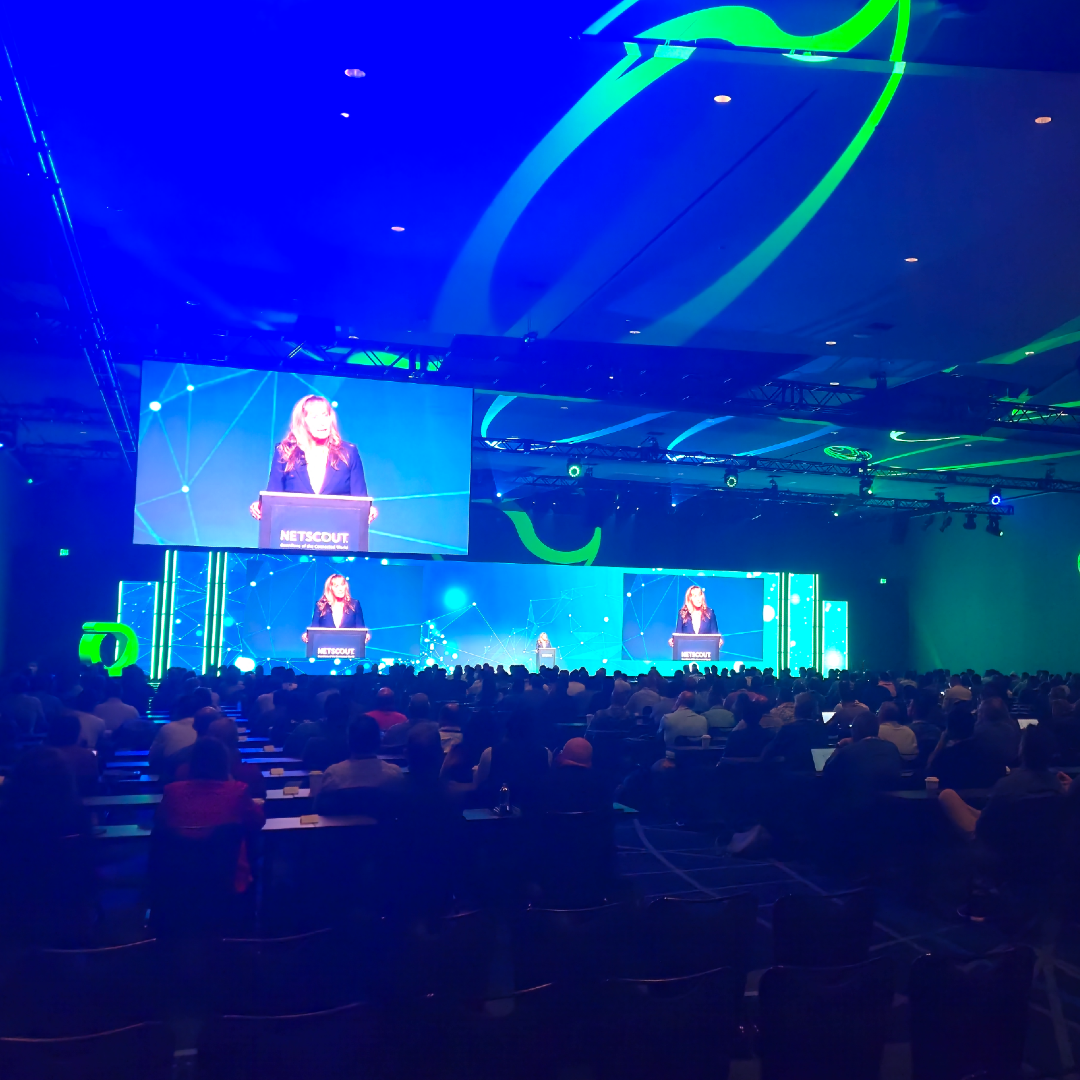
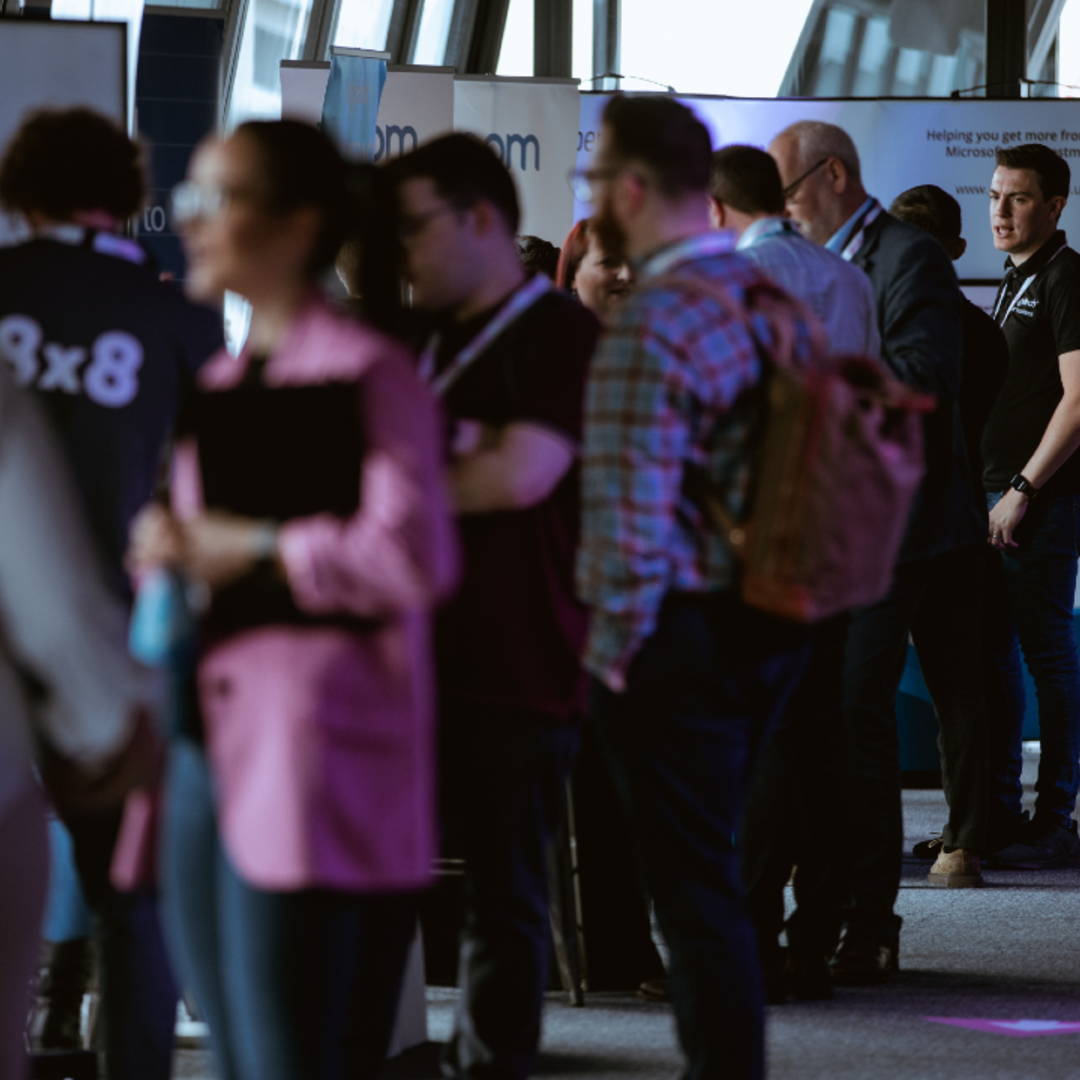
Why event delivery has become more complicated than it needs to be - asembl.group
Why event delivery has become more complicated than it needs to be

For years, businesses have been encouraged to believe there are only two ways to deliver a complex event.  Appoint a large integrated agency to manage everything, or utilize your own network of specialist suppliers and coordinate them yourself.

One promises simplicity, but often at the cost of additional layers, slower decision-making and expertise that’s spread thinly across multiple disciplines.  The other gives you direct access to talented specialists, but asks your internal team to become the project manager, translator and referee between businesses that may never have worked together before.

Neither model is inherently wrong.

Specialism was never the problem.


The events industry should celebrate its specialist expertise.  Today’s clients have access to world-class production partners, creative agencies, venue specialists, technology providers, logistics experts, registration teams, connectivity specialists and experiential designers.

That’s progress.

But both ask organisers to accept a level of complexity that perhaps they shouldn’t have to.  The industry has spent decades becoming better at specialism. It’s spent far less time thinking about how specialists should work together.

Why event delivery has become more complicated than it needs to be_3

That’s become one of the biggest hidden challenges in modern event delivery.

The challenge isn’t that there are too many specialists.  It’s that they’re too often connected by process rather than partnership.

Every additional supplier introduces another briefing.

Another approval.

Another handover.

Another opportunity for information to change, drift or simply disappear altogether.

None of those businesses are doing anything wrong.  They’re each delivering their own piece of the puzzle.  The difficulty lies in everything that happens between them.  As asembl.group founder Gavin Farley puts it:

“Clients don’t wake up wanting more agencies. They wake up wanting fewer headaches, faster answers and better outcomes. The industry got brilliant at building specialists. It got far less effective at connecting them.”

When everyone owns a piece, who owns the whole?


Anyone who has delivered a large-scale event has experienced it.  A small change is made.  Someone updates one document but not another.  A conversation happens on Teams.  An approval sits in an email.  A supplier assumes someone else has communicated the latest version.

Nothing dramatic. Just small moments of disconnect.  Until suddenly they aren’t small anymore.

We understand how easily this can happen.   We heard about one recent example on a large-scale event where a late accommodation change was shared in one channel but never made it into the central accommodation schedule.  The issue was resolved but could have easily become a client-facing issue for the organisers.

These problems aren’t caused by capability.  They’re caused by a fragmented operating model.  When information sits across multiple teams, systems and suppliers, small gaps can quickly become bigger problems.

Accountability in event delivery can be lost when working with fragmented suppliers. When something goes wrong, the first conversation tends to be about whose fault it was, not how to fix it. In that scenario, ultimately, it’s the attendee who experiences the consequence.  And it’s the organiser who carries the responsibility.

The hidden cost nobody budgets for.


When organisations compare event partners, they usually compare supplier fees.

It’s understandable as they’re visible, easy to benchmark and easy to present to procurement.

What rarely appears on the spreadsheet is the cost of complexity.

  • The repeated briefings.
  • The duplicated stakeholder meetings.
  • The time spent translating decisions between suppliers.
  • The internal resource required to keep everyone aligned.
  • The approvals that take longer because information exists in multiple places.
  • The conversations needed simply to establish who owns what.

Individually, none of these feel significant but collectively, they consume hundreds of hours across a programme.  They slow decisions, reduce agility and, importantly, increase risk.

And they quietly pull senior client teams away from the strategic work they should be focused on.  The irony here is that the more complex an event becomes, the more valuable your internal team’s time is.

Yet complexity often demands even more of it.

Why event delivery has become more complicated than it needs to be_2

Complexity isn’t just operational.  It’s commercial.


The effects reach much further than event delivery.

Every unnecessary handover creates another opportunity for delay.  Every duplicated conversation slows momentum.  Every disconnected supplier increases the effort required to move the project forward.

That has a commercial impact.

Projects become harder to scale.  Internal teams become stretched.  Decision-making slows. Confidence reduces.

The event itself may still be excellent, but getting there required far more effort than it should have.  Increasingly, that’s the challenge buyers are trying to solve.  They’re not looking for fewer specialists, they’re looking for fewer points of friction.  That’s an important difference.

Rethinking the event delivery model.


Perhaps the question isn’t whether organisations should choose between a large agency and multiple specialist suppliers.   Perhaps that’s the wrong choice altogether.  What if the answer wasn’t fewer specialists…but better connected ones?

That’s the thinking that sits behind asembl.group.  asembl.group was built as a third model: independent specialist partners operating as one force, connected around one   client’s brief, brand and budget.

Specialist expertise is maintained through separate business units. What changes is the layer around them. One contact, one contract, one PO. Clients don’t rebuild a supplier roster for every programme; instead, they gain a connected event delivery model that already understands the brief and partners that understand each other.  Peter Jackson, asembl.group’s Non-Executive Director explains:

“Ultimately, it’s all about culture. Clients love to work with like-minded partners and people that share their values. Our whole team works super hard to establish that vital connection.”

That connection isn’t just shared branding. Integration must be built on shared values, processes and commitment, which is why every group partner is assessed on culture, as well as capability.

What changes when specialists work as one?


The difference isn’t the specialists themselves.  It’s the operating model around them. One commercial agreement.  One point of contact.  One shared objective.

Behind that sits the same depth of expertise you’d expect from independent specialists, but without asking clients to coordinate the gaps between them.  It’s a subtle shift but it fundamentally changes the delivery experience.  As projects become larger and more complex, simplicity becomes increasingly valuable.

Culture:

Most organisations evaluate potential partners on capability.

  • Can they deliver?
  • Have they done it before?
  • Do they have the right expertise?

Those are important questions but they’re just not the only ones.  Because even the most talented specialists will struggle if they don’t share the same behaviours, expectations and ways of working.  Peter Jackson, Non-Executive Director at asembl.group, believes that’s where many partnerships succeed or fail.

“Clients naturally gravitate towards partners they trust. That trust isn’t built through capability alone. It’s built through shared values, openness and a culture where everyone is genuinely working towards the same outcome.”

Better decision making:

One of the least discussed benefits of an integrated delivery model isn’t efficiency; it’s decision making.

When everyone works from the same objectives, conversations become faster.

  • Problems are identified earlier
  • Trade-offs are understood collectively rather than in isolation
  • Creative ideas are evaluated alongside logistics
  • Technology informs experience design
  • Venue considerations influence production decisions before they become expensive changes later.

Instead of individual suppliers optimising their own part of the project, the entire team optimises the event as a whole.  That’s a very different way of working.

The real advantage isn’t just operational:

It’s easy to assume this is simply a more efficient way to organise suppliers.  It is.  But that’s not the real advantage.  The real advantage is that clients regain the headspace to focus on the decisions only they can make.

Business objectives, audience experience, stakeholder engagement, commercial outcomes.

Instead of spending valuable time coordinating delivery, they spend more time shaping the event itself. That’s where the greatest value is created.  Not in managing complexity but in removing it.
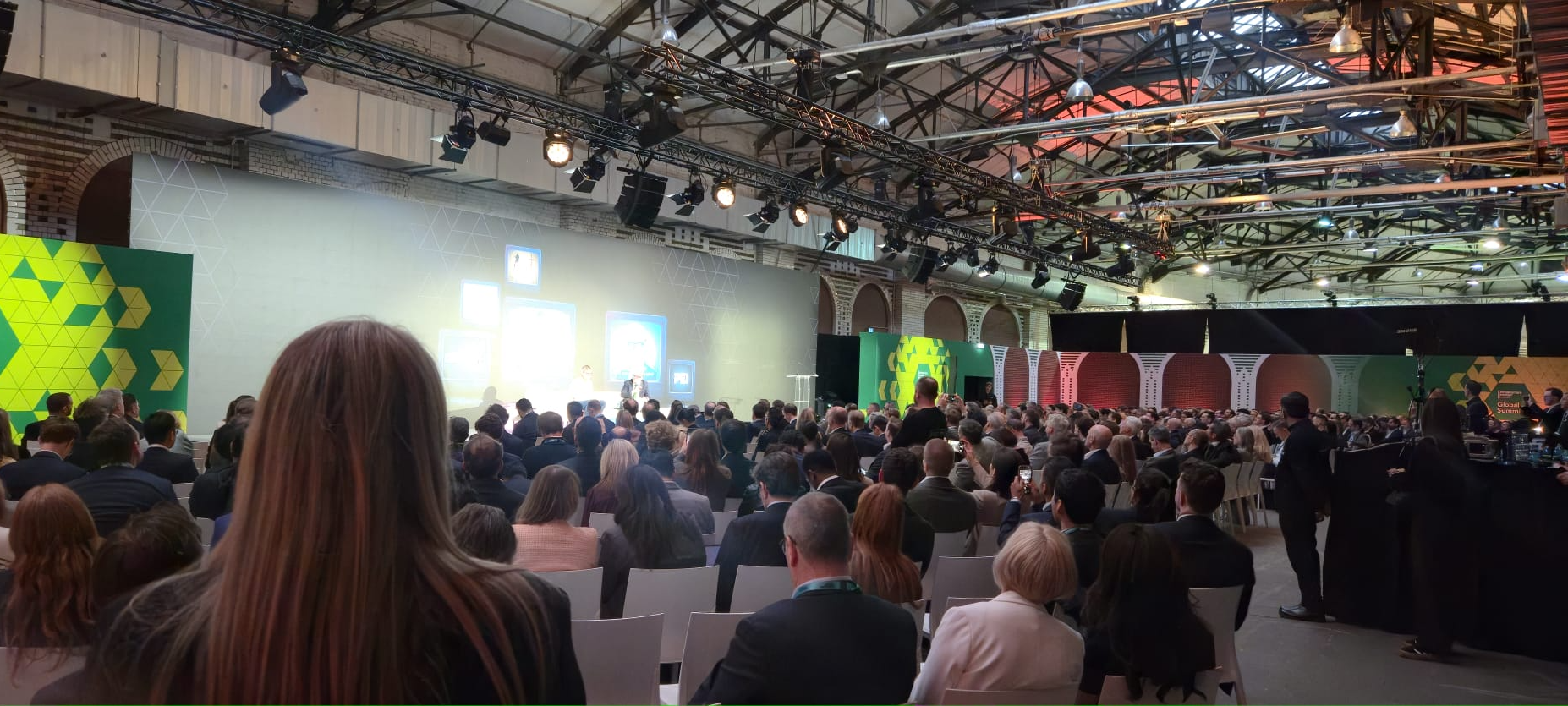
 

Why measurement gets easier.


The same principle applies after the event.  One of the biggest challenges organisations face isn’t simply delivering successful events.  It’s proving their value afterwards.

Research from Bizzabo’s 2026 State of Events Benchmark report found 40% of organisers still struggle to prove event ROI. Research consistently shows that many event professionals still struggle to demonstrate meaningful return on investment, particularly when information sits across disconnected suppliers, platforms and reporting systems.

When every partner measures success differently, creating one clear picture becomes difficult.  A connected operating model changes that.  Objectives are aligned earlier.  Success measures are agreed together. Reporting becomes consistent.  Commercial outcomes become easier to evidence.  Adam Baxter, COO of asembl. explains:

ROI alone rarely tells the full story, but clients still need a combination of both to justify repeat investment to budget holders the following year, and that’s much easier to evidence when the data for both comes from one dataset.”


The industry doesn’t need fewer specialists.  It needs a better way of connecting them. 


The question isn’t whether your next event needs specialist expertise.  It almost certainly does.  The better question is whether your delivery model makes that expertise easier to use—or harder to manage.  That’s a conversation worth having.

If your next event needs the right specialists, working together as one, send asembl.group your brief.

Frequently Asked Questions.

How is this different from a traditional big agency?

A traditional agency centralises delivery in-house. asembl.group keeps specialist units independent and connects them around each brief, so clients get specialist depth without losing one point of contact.  Our focus is on how those businesses work together. Shared processes, shared standards and shared accountability mean clients experience one connected delivery model rather than a collection of separate suppliers.

Will we lose access to specialist expertise?

Quite the opposite. Every specialist business retains its expertise, leadership and focus. What changes is how those specialists collaborate around your brief.

Is an integrated event partner more expensive than hiring specialists directly?

Not once coordination time is counted. Comparing supplier fees only tells part of the story. When you also consider internal coordination, duplicated meetings, approval time and project management effort, a connected model often delivers greater overall value.  Fragmented models often carry hidden costs in duplicated briefings and internal management time that don’t show up in a fee comparison.

What types of events is this best suited to?

Any programme involving multiple specialist disciplines.  The more moving parts an event has, the greater the benefit of a connected operating model.

Contributors.

Adam Baxter

Adam Baxter COO - asembl.

Gavin Farley

Gavin Farley CEO - asembl.group

Peter Jackson

Peter Jackson Non-executive Director - asembl.group